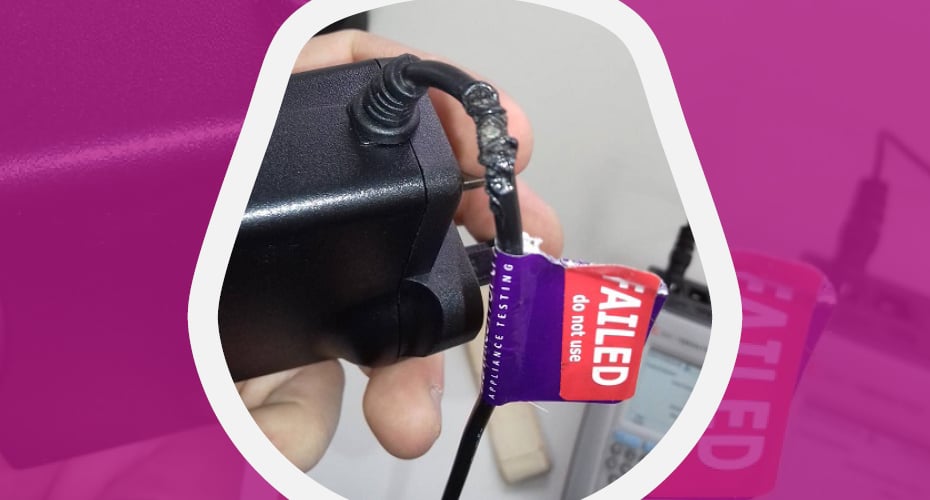

Commercial PAT testing comes with a lot of conflicting advice. A quick search online throws up technical jargon, risk matrices, and opinions that don’t always agree with each other. For most UK businesses, though, it’s more straightforward than it looks.
Some workplaces overcomplicate their testing schedule and end up with unnecessary admin. Others lose track of when equipment was last checked and leave it far too long. For most commercial premises, an annual PAT testing schedule is the simplest way to stay on top of things, and it’s what we generally recommend.
Is There a Legal Requirement for PAT Testing Frequency?
No fixed interval is written into law. The Electricity at Work Regulations 1989 require that all electrical equipment used in the workplace is maintained in a safe condition, but they don’t specify how often testing needs to happen. The frequency is risk-based, not calendar-based.
What the law does require is that testing is carried out at appropriate intervals and that records are kept. Having up-to-date records means you can demonstrate that your equipment is regularly tested and properly maintained.
So How Do You Work Out the Right PAT Testing Schedule?
PAT testing requirements vary depending on the environment, how equipment is used, and the type of appliance involved. A laptop sitting on the same desk in an office all day is completely different to equipment that gets moved around, knocked about, or used in tougher conditions. The two don’t need the same level of checking.
The IET Code of Practice provides guidance on suggested intervals based on environment and equipment type. The main variables that determine your schedule are:
- Type of environment and the level of risk it presents
- How frequently equipment is used and whether it’s moved regularly
- The class and condition of the appliance itself
- Whether equipment is brought in by staff or contractors and hasn’t been previously tested
A competent person should assess these factors for each site rather than applying a blanket schedule across the board.
How Often Should Commercial PAT Testing Be Done by Environment?
For the majority of commercial environments, we recommend an annual PAT testing schedule. It’s the most practical way to stay on top of compliance without overcomplicating things, and it applies to most standard UK workplaces:
- Offices and low-risk commercial premises: A yearly test covers everything in one visit and keeps your records straightforward.
- Retail and hospitality: Equipment is handled more frequently and exposed to higher footfall, so an annual schedule works well for keeping wear and tear in check.
- Warehouses and industrial sites: Conditions can be harsher and portable equipment gets moved around, which makes yearly testing the practical choice for most sites.
- Higher-risk environments: Places like construction sites or workshops may need a different approach based on specific industry standards. A qualified engineer will advise on the right schedule for your site.
These are guidelines rather than hard rules, and the specifics of your site will always inform the final schedule.
Does the Type of Appliance Affect How Often It Needs Testing?
Yes. Class 1 appliances rely on an earth connection for protection and carry more risk than Class 2 double-insulated appliances. Class 1 items are the ones you’ll typically find in a workplace kitchen or cleaning cupboard, things like kettles, microwaves, toasters, fridges, and irons. Class 2 items tend to be your everyday office electronics, such as computer monitors, photocopiers, printers, and laptop chargers. The age and condition of the equipment also plays a role. An older kettle that’s been in a warehouse kitchen for years needs checking more regularly than a new monitor in a controlled office environment.
What Happens if Your Commercial PAT Testing Is Overdue?
When PAT testing falls behind schedule, it creates gaps in your compliance record. Equipment that hasn’t been tested can’t be confirmed as safe to use, and without up-to-date testing records, there’s no documented evidence of compliance if an audit takes place. Insurance companies may also need to see proof that equipment has been properly maintained before processing a claim.
Keeping your PAT testing schedule current isn’t just about ticking a box. It’s about having documented proof that you’re meeting your obligation under the Electricity at Work Regulations to maintain equipment in a safe condition. A good compliance partner takes care of the scheduling so you don’t have to think about it.
How Hawkesworth Keeps Your PAT Testing on Track
We’ve been providing commercial PAT testing across the UK and Ireland for over 30 years. Our 190+ engineers are City & Guilds certified and DBS checked, and we test across single and multiple sites with out-of-hours and weekend availability at no extra charge.
What makes the real difference is that we track your testing schedule and send reminders when a retest is due. You don’t need to manage it yourself or worry about anything slipping. For multi-site businesses, we offer exclusive pricing and a single point of contact, so every location stays on the same page.
Get a Quote for Your Commercial PAT Testing
One provider, consistent standards, and a testing schedule built around your business. Whether you’re managing a single office or a national portfolio, Hawkesworth takes the guesswork out of PAT testing frequency.
Request a quote and we’ll get your schedule set up.

Michael Kiddle
Managing Director of Hawkesworth and a nationally recognised leader in electrical and fire safety, Michael (GIFireE) directs one of the UK's leading compliance companies, safeguarding thousands of businesses each year. Through his voluntary Safe Home Initiative, he has identified and removed thousands of dangerous household appliances from vulnerable people's homes, replacing each one with a safe alternative free of charge.