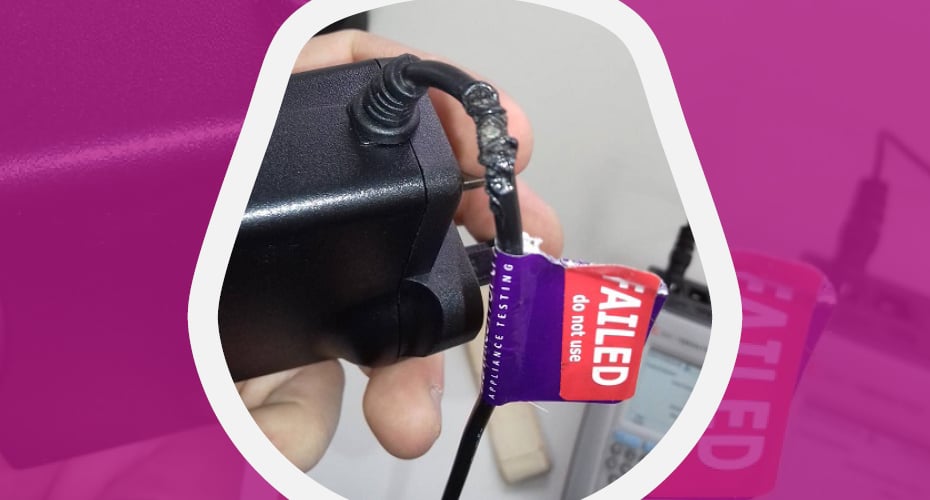

For most commercial offices, the EICR (also known as fixed wire testing) is one of the longer-cycle items on the compliance calendar. Years can pass between inspections, so the certificate often sits in a folder rather than at the front of mind. The standard frequency for offices is every five years, and the engineer can recommend a shorter retest period at the inspection itself when the condition of the electrical installation calls for it.
How Office EICR Frequency Compares to Other Commercial Buildings
Office EICR frequency makes more sense alongside the rest of the commercial schedule. The published EICR frequency by building type sets out the intervals across common UK property types:
| Building type | EICR frequency |
| Petrol stations, launderettes, saunas, swimming pools, marinas, fish farms, cinema front of house, hospital operating theatres | Every year |
| Spa hotels, leisure centres, theatres, caravan parks, cinema back of house, farms, factories | Every 3 years |
| Offices, laboratories, shops, schools, churches, hospital general areas, restaurants, pubs, hotels | Every 5 years |
| HMOs and rental properties | Every 5 years or change of tenancy |
| Domestic houses and flats | Every 10 years |
Offices sit in the lower-risk band alongside shops, schools, and most hospitality. Usage patterns are stable, and wear on the electrical installation is lighter than what you’d find in a factory or busy leisure environment.
When Should You Bring Your Office EICR Forward?
Offices are tested every five years as standard. There are a few situations where the next inspection sits earlier than that:
- The engineer recommended a three-year retest at the last inspection because the existing electrical installation is older
- The office has had a significant refurbishment or fit-out since the last EICR
- There has been a change of tenant or change of use of the building
- The installation is showing signs of wear, such as unusual heat at the consumer unit, frequent trips, or visible damage to sockets, switches, or accessories
The engineer specifies the recommended retest period at the end of each inspection, based on the environment and the overall condition of the electrical installation. For an office with an older installation, that may be three years, even when other offices in the same portfolio remain on a five-year cycle.
Who Is Responsible for Booking the Office EICR?
In most commercial leases, the landlord is responsible for the structural electrical installation: the consumer unit, the cabling, and the accessories such as sockets, light fittings, and switches. The tenant is responsible for anything they’ve installed themselves, such as additional sockets fitted during a fit-out or supplementary equipment installed for their operations.
That’s the convention, but the lease is the source of truth. Some leases shift the EICR obligation to the tenant entirely, particularly on full-repairing and insuring (FRI) leases. Others split the responsibility by area or system. The clauses worth checking are the repair clause, the statutory compliance clause, and the schedule of services. Our guide to UK electrical compliance deadlines sets EICR alongside the other dates a facilities manager has to track across the year.
Is an EICR a Legal Requirement for Office Buildings?
Unlike residential rentals, an EICR is not a legal requirement for commercial offices. The legal duty to keep the electrical installation safe still applies, under the Health and Safety at Work Act 1974 and the Electricity at Work Regulations 1989.
The EICR is how that duty is evidenced. If something goes wrong with the installation and an insurer, the HSE, or a prospective tenant asks how the building has been maintained, a satisfactory EICR is the document that answers the question. The residential rules don’t apply to your office, but any commercial landlord or facilities manager treating the duty seriously will book one anyway.
What Happens If Your Office EICR Has Expired?
A lapsed EICR doesn’t trigger an automatic fine or shutdown, but it creates friction in a few practical ways. Insurers may query a claim when there’s no current certificate on record. Prospective tenants and buyers will flag it in due diligence. And the building’s electrical installation hasn’t been independently verified as safe since the previous report expired.
The fix is straightforward: book the inspection. The engineer issues a new commercial EICR after the visit, and if any C1, C2, or FI defects are identified, a qualified electrician carries out the remedial works and provides the appropriate certification once they’re complete.
Book Your Office EICR With Hawkesworth
Hawkesworth has been delivering EICR fixed wire testing to commercial offices across the UK and Ireland since 1993. Our 200+ accredited engineers are City & Guilds certified and DBS checked, with out-of-hours and weekend visits at no extra charge to fit around your working day. For property portfolios, one dedicated account manager handles every site on the contract.
Request a quote for your office EICR.

Michael Kiddle
Managing Director of Hawkesworth and a nationally recognised leader in electrical and fire safety, Michael (GIFireE) directs one of the UK's leading compliance companies, safeguarding thousands of businesses each year. Through his voluntary Safe Home Initiative, he has identified and removed thousands of dangerous household appliances from vulnerable people's homes, replacing each one with a safe alternative free of charge.