

Does Brand New Equipment Need PAT Testing?
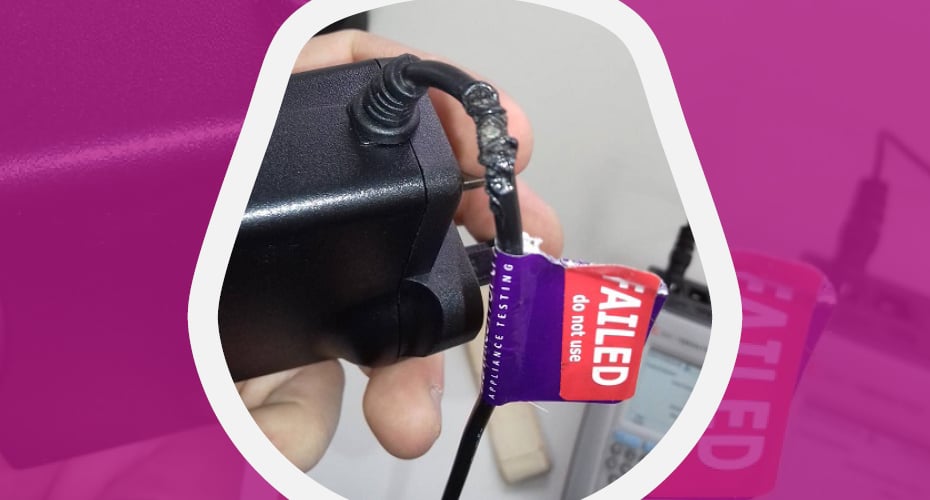
A delivery of new laptops, monitors, kettles or power tools lands on site, and someone must decide whether staff can plug it in that morning or whether it waits for testing. Across a multi-site estate, that question repeats every time a pallet arrives. Hold the kit back when there is no need and you slow […]
What Really Happens When You Skip a Fire Risk Assessment

Most commercial fire safety inspections are not booked in advance. A fire and rescue authority can visit your premises unannounced, and the visit is often prompted by a complaint from a member of the public, an employee or a tenant who has flagged a concern. When an inspector arrives, one of the first things they […]
Class 1, 2 and 3 Appliances: A PAT Testing Decoder

Walk any commercial site with a PAT engineer and the first thing they do with each appliance is identify its class. That single call, Class 1, Class 2 or Class 3, decides which electrical tests get carried out and which ones do not. Get the classification wrong and the wrong tests run, the wrong results […]
PAT Testing for Shopping Centres and Retail Estates

A shopping centre or retail estate is rarely one electrical environment. It is dozens of units under a single roof, each with its own equipment, occupier, and trading hours, which is what sets PAT testing here apart from testing a standalone shop. We work with major retail operations, and handled as one coordinated programme rather […]
PAT Testing for Hotels: What the Process Actually Looks Like
PAT testing for a hotel means working through every plugged-in appliance on the property, one at a time. The engineer covers the kitchens, guest rooms, back-of-house, and public areas, running a visual inspection, the electrical tests, and a function check on each appliance, then labelling those that pass and removing any that fail. The visit can be […]
What Does a Commercial EICR Actually Cover?

The quickest way to clear up what a commercial EICR actually covers is to draw one line. An EICR tests the building, not the things you plug into it. Everything hardwired through your electricity meter, including distribution boards, circuits, sockets, switches, and light fittings, sits inside the inspection. The kettle, the laptop, the paper shredder sit outside it. Once that’s clear, the rest falls […]
PAT Testing for Warehouses: What to Expect on the Day
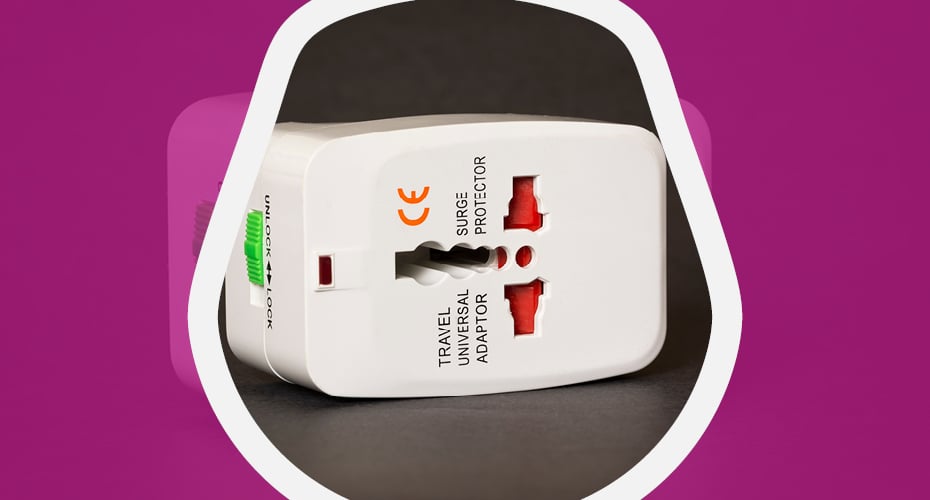
PAT testing for a warehouse is a straightforward day when you know what to expect. An engineer works through every mains-powered appliance on site, runs a visual check and electrical tests, labels what passes, removes what fails, and leaves you with a full report. The trick is planning the visit around operations so nothing grinds to a halt. […]
How Often Does Commercial PAT Testing Actually Need to Be Done?
Commercial PAT testing comes with a lot of conflicting advice. A quick search online throws up technical jargon, risk matrices, and opinions that don’t always agree with each other. For most UK businesses, though, it’s more straightforward than it looks. Some workplaces overcomplicate their testing schedule and end up with unnecessary admin. Others lose track of when equipment was […]
PAT Testing for Multi-Site Businesses: How to Keep Every Location Compliant
Managing compliance across one site is straightforward enough. Across ten, twenty, or fifty locations, it becomes a different challenge entirely. Retail chains, hotel groups, office portfolios, and leisure businesses often end up in the same position: a patchwork of local contractors, inconsistent records, and testing schedules that quietly fall out of sync. One site is up to […]
Why Empty Offices are the Best Time for Commercial Electrical Maintenance

Empty offices give engineers the access they need to complete electrical testing properly. When your workspace is quiet, PAT testing and EICR inspections can be done faster, with less disruption, and without affecting your team’s productivity. Most facilities managers know that electrical maintenance is a legal requirement. But scheduling it during quiet periods makes the work easier for everyone involved. […]