

Michael Kiddle
Managing Director of Hawkesworth and a nationally recognised leader in electrical and fire safety, Michael (GIFireE) directs one of the UK's leading compliance companies, safeguarding thousands of businesses each year. Through his voluntary Safe Home Initiative, he has identified and removed thousands of dangerous household appliances from vulnerable people's homes, replacing each one with a safe alternative free of charge.
A Facilities Manager's Guide to UK Electrical Compliance Deadlines
If you’re a Facilities Manager in the UK, you know that juggling electrical compliance deadlines is a huge part of the job. It’s a critical responsibility because missing a key date doesn’t just risk a fine; it compromises the safety of your people and property, and can even invalidate your insurance.
This guide is your clear, all-in-one reference for the UK’s main electrical compliance schedules. We’ve based it on key regulations like BS 7671 (The Wiring Regulations), the Electricity at Work Regulations 1989, and the Regulatory Reform (Fire Safety) Order 2005, so you can plan your maintenance calendar with confidence.
At-a-Glance: UK Electrical Compliance Frequency Table
For a quick overview, this electrical compliance checklist summarises our recommended testing frequencies. For maximum safety and simplified management, we advise a 12-month schedule for core services. The exact requirements for your facility will always depend on its specific type, age, and usage patterns, as determined by a professional risk assessment.
| Service | Regulation/Guidance | Recommended Frequency |
| EICR (Fixed Wire Testing) | BS 7671 | 3-5 years |
| Portable Appliance Testing (PAT) | Electricity at Work Regs | Annually |
| Fire Alarm System Servicing | BS 5839-1 | 6-monthly |
| Emergency Lighting Testing | BS 5266-1 | Monthly & Annually |
EICR (Fixed Wire Testing) Frequency Explained
An Electrical Installation Condition Report (EICR) is the most comprehensive inspection of your building’s fixed electrical systems. It’s an in-depth investigation into the condition of your wiring, circuits, consumer units, and protective bonding. If a car has an MOT, your building’s electrical system has an EICR.
During the inspection, a qualified engineer will perform a series of visual checks and electrical tests to find any potential issues, such as overloaded circuits or faulty wiring. This process is essential for:
- Legal Compliance: Meeting your duties under the Electricity at Work Regulations.
- Occupant Safety: Identifying hidden dangers like fire risks or electric shock hazards.
- Insurance Validity: Many insurers require a current, satisfactory EICR as a condition of cover.
- Proactive Maintenance: Catching small problems before they become major, costly failures.
How Often Do You Need an EICR?
While the official guidance in BS 7671 sets maximum periods of between 3-5 years for many commercial properties, this leaves a long gap where faults can develop unnoticed.
For proactive safety management and complete peace of mind, we recommend a routine EICR is carried out every 3 – 5 years. An annual inspection ensures that your electrical installation is consistently monitored for any degradation or issues that may arise, keeping your building, staff, and visitors safe year-round.
PAT Testing Regulations and Deadlines
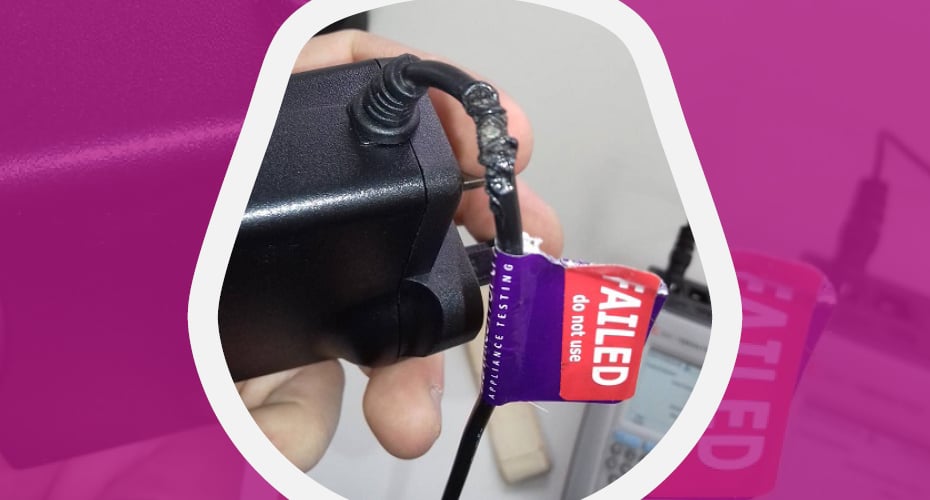
Your legal responsibility extends to all electrical equipment used within your facility. The Electricity at Work Regulations 1989 require that all electrical equipment that could cause injury is maintained in a safe condition. Portable Appliance Testing (PAT) is the universally accepted method for meeting this crucial legal duty.
Recommended PAT Testing Frequencies
To simplify compliance and remove the guesswork of a variable risk-based schedule, we recommend that all portable electrical appliances are tested every 12 months. This straightforward, annual approach ensures no item is overlooked and provides a clear, consistent record of safety for your entire inventory of electrical equipment, from office computers to kitchen appliances.
Fire Alarm System Maintenance Schedules
The fire alarm maintenance requirements for your building are governed by the Regulatory Reform (Fire Safety) Order 2005, with technical guidance provided by BS 5839-1. As the ‘Responsible Person’, often the Facilities Manager, you must ensure the system is properly tested and serviced to function correctly in an emergency.
Weekly & Monthly Fire Alarm Checks (User Responsibility)
In-house checks are a fundamental part of your fire safety routine. Every week, you or a designated team member should activate at least one manual call point to test the control panel and ensure the sounders operate correctly. These checks should be rotated through all call points over time and meticulously recorded in your fire logbook.
The 6-Monthly Professional Service
A comprehensive service by a competent, third-party accredited professional is a mandatory requirement. This service must be conducted at least every six months. An engineer will perform an in-depth inspection of all system components, including control panels, power supplies, detectors, and sounders, to verify their correct operation and ensure the system remains fully compliant.
Emergency Lighting Testing Requirements
Emergency lighting is a life safety system designed to illuminate escape routes if the main power supply fails. The requirements for emergency lighting testing frequency are detailed in BS 5266-1. Proper testing ensures that occupants can evacuate the building safely during a power outage or emergency.
Monthly Emergency Lighting ‘Flick’ Test
Every month, a short functional test, often called a ‘flick test’, must be carried out. This involves simulating a power failure to briefly activate the system, allowing you to visually check that every emergency light illuminates correctly. All results must be logged.
Annual Full-Duration Discharge Test
A critical test must be performed annually. This involves a full-duration discharge test, activated via dedicated key switches to simulate a power failure, where the emergency lights are left to run on their battery backup for their full rated period (typically one or three hours). This test is the only way to verify that the batteries can hold sufficient charge to perform as required in a real emergency.
Frequently Asked Questions (FAQs)
What is the difference between an EICR and PAT testing?
The simplest way to think about it is that an EICR inspects the fixed electrical installation of the building – the wiring in the walls, the consumer units, and the circuits that are part of the building’s infrastructure. PAT testing, on the other hand, inspects portable electrical appliances – the items that are plugged into the installation, like computers, kettles, and power tools. Both are essential for comprehensive electrical safety.
Are these compliance deadlines strict legal requirements?
The legal requirement, under regulations like the Electricity at Work Regulations 1989, is to maintain electrical systems in a safe condition. The specific frequencies mentioned in this guide are the industry-recognised standards (BS 7671) and our professional recommendation for how to achieve and prove this. Adhering to these schedules is the accepted best practice and the method by which you demonstrate due diligence to authorities and insurers.
What happens if a report, like an EICR, finds faults?
If an EICR report is returned as ‘Unsatisfactory’, it means that dangerous (C1), potentially dangerous (C2), or requires further investigation (FI) defects have been found. You have a legal duty to have these issues rectified by a qualified electrician to make the installation safe. Once the remedial work is complete, you will receive the appropriate certification to prove it.
How do I prove compliance to insurers or authorities?
Compliance is proven through up-to-date documentation. This includes holding a valid and ‘Satisfactory’ EICR certificate, maintaining detailed PAT testing records, and keeping a logbook with records of your fire alarm and emergency lighting tests and services. A professional compliance partner can help you manage and store all this documentation centrally.
How to Simplify Your Compliance Management
Juggling the distinct schedules for EICR, PAT, fire alarms, and emergency lighting can quickly become an administrative burden. The key to effective and stress-free compliance is moving from a reactive to a proactive management strategy.
The most efficient way to achieve this is to consolidate all your electrical compliance services with a single, accredited nationwide provider. By partnering with a company like Hawkesworth, you can streamline the entire process and gain significant benefits:
- One Point of Contact: You’ll have a dedicated account manager who understands your entire property portfolio and compliance schedule, eliminating the need to coordinate with multiple contractors.
- Synchronised Scheduling: We can coordinate engineer visits for different services to minimise disruption to your daily operations, saving you time and hassle.
- Consolidated Reporting: All your crucial compliance documents, certificates, and reports are stored securely in one online portal, giving you 24/7 access for audits or reviews.
- Complete Peace of Mind: You can be confident that every deadline is being professionally tracked and every service is completed to the highest UK standards, keeping your business safe, compliant, and protected.
Take the Next Step
Struggling to manage multiple compliance deadlines? Consolidate your services with Hawkesworth. Request a free, no-obligation quote today.
Get started
Contact us today to find out about our competitive testing
across multiple sites, and how you can keep your electrical equipment safe.
Got a question about ECIR? Contact us today!